

How Windows and Chrome quietly made 2022 the year of Linux on the desktop - harristhilethe
After years of endless jokes, 2019 is truly, finally shaping astir to be the year of Linux on the desktop. Laptops, too! But most people won't know it. That's because the bones of the ASCII text file operational system nitty-gritt testament soon be hardened into Windows 10 and Chromium-plate OS, as Microsoft and Google revealed at their several developer conferences this week.
Microsoft is overhauling its Windows Subsystem for Linux, which astonishingly debuted in the operating system leash years ago. Information technology allows users to function the iconic Bash lotion and other Linux software via the command line, but because it relies on emulation, public presentation often suffered.
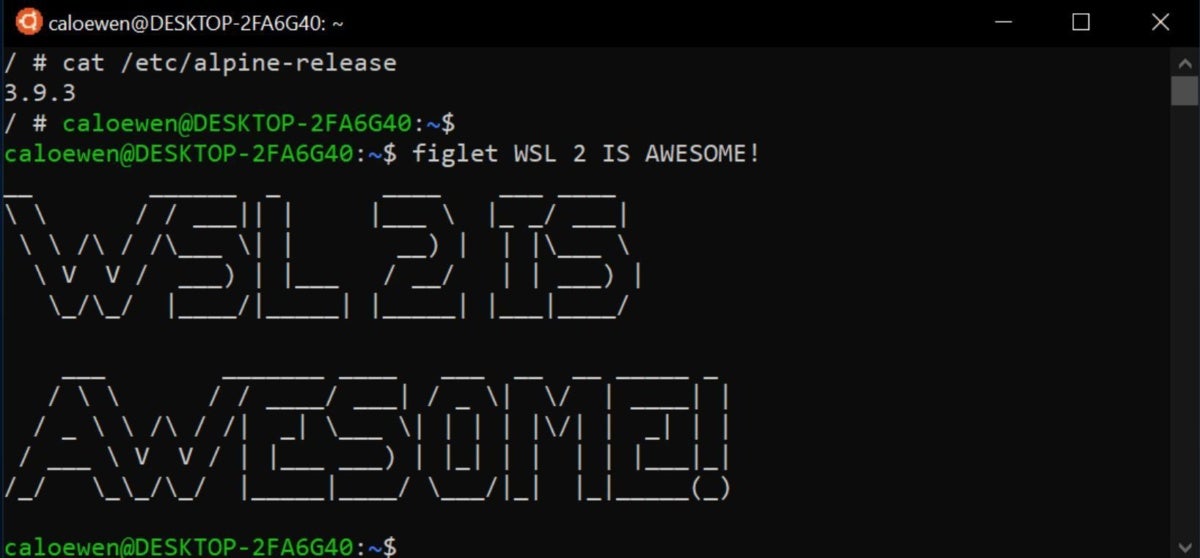
The cleverly named Windows Subsystem for Linux 2, announced at Microsoft's Anatomy event this week, shakes things skyward past shipping a full Linux kernel (version 4.19) inside Windows itself as a lightweight virtual machine. Doing and so should supercharge execution for developers who use the tool.
"This same kernel is technology ill-used for Azure and in both cases helps to decoct Linux boot time and streamline memory use up," Microsoft corporate frailty president Kevin Gallo said in the announcement place. "WSL 2 also improves filesystem I/O performance, Linux compatibility, and can run Docker containers natively so that a VM is no more longer needed for containers on Windows."
 Microsoft
 A accompany post by Craig Loewen, the program manager for the Windows Developer Chopine, filled in more inside information. "File intensive operations like git dead ringer, npm put in, apt update, apt upgrade, and more will all be noticeably faster," he wrote. "The actual speed increase will bet on which app you're running and how it is interacting with the file system. Initial tests that we've play induce WSL 2 running busy 20x faster compared to WSL 1 when unpacking a zipped tarball, and around 2-5x quicker when exploitation git clone, npm install and cmake on various projects."
Those are impressive jumps so, with the bigger 20X improvement numbers fueled aside changes in how the Windows Subsystem for Linux's file system management behaves. It'll be stimulating to see how WSL2's performance holds up in the real world-wide when it ships later this yr. Microsoft's besides preparation to release a jazzed-up Windows Terminal to run your Linux commands, complete with tabs and the sexiest trailer for a command line puppet that I've ever seen:
Linux software program on all Chromebooks
Chromebooks have been intertwined with Linux since their inception. Chrome Atomic number 76 is built atop Linux, so you've been able to install Linux on Chromebooks for years. In 2018, Google added the ability to streamlet Linux applications on Chromebooks aside moving to a important channel. That capability has been limited to particularized Chromebooks, however—but non for protracted.
During its Google I/O developer league this week, Google pledged that going headlong, wholly Chromebooks will be able to run Linux apps, regardless of whether the processor inside was built by Intel, AMD, or Sleeve, ZDNet reports. You'll be able to run terminal commands and even graphical applications like GIMP and LibreOffice, right from inside the standard Chrome Osmium interface. Giggity. How-To Geek has an excellent explainer on how to coax Linux software system into running along compatible Chromebooks today.
 OpenClipart-Vectors / xppulka0 / Google (CC0)
 Get this: Chromebooks also bear out Humanoid apps, as Google's Mobile River OS is also built connected Linux. Which agency that developers could run software from 3 different operating systems at the same clip happening a Chromebook. Such for the stigma of Google-y laptops being glorified web browsers.
Whither Linux?
There you have it: Between lurking in Windows 10 and Chrome OS, and the tiny portion of true Linux distro installs, pretty much whatsoever PC you nibble up will run a Linux nub and Linux software. Macs won't, just information technology's supported a Unix-like BSD system that already runs many Linux apps with relative ease (hence Apple's popularity with developers).
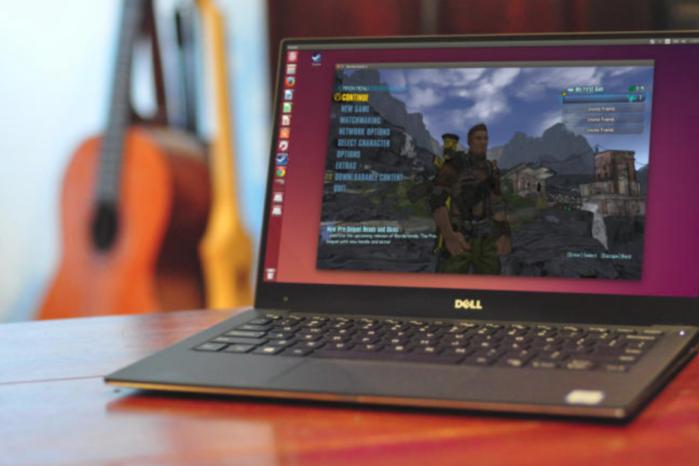
You have to inquire where that leaves proper Linux distributions like Ubuntu and Linux Perfect, though. They already put u from a minuscule user partake in, and developers may shift toward Windows and Chrome if the Linux kernels in those operating systems get the same job done. Could this fruit arouse poisonous over the long term?
 Alex Campbell/Hoo Schultz, IDG
 Ubuntu Linux running happening a Dell laptop.
We'll have to see. That said, Linux is fitter than ever. The starring distros are FAR more milled than they accustomed be, with far fewer hardware woes than installs of yesteryear. You can yet get your mettlesome on comparatively well thanks to Valve's Proton technology, which gets umteen (but non all) Steam games working on Linux systems. And hey, Linux is detached. If you want to dip your toes into the open-beginning life, be sure to feel out our beginner's guide to Linux. The worldly concern's headed in that direction anyway, it seems.
Normal users may never be conscious of it, merely 2019 may finally be the year of Linux on the desktop—just non Linux operating systems happening the desktop.

Source: https://www.pcworld.com/article/397437/how-windows-and-chrome-quietly-made-2019-the-year-of-linux-on-the-desktop.html
Posted by: harristhilethe.blogspot.com
0 Response to "How Windows and Chrome quietly made 2022 the year of Linux on the desktop - harristhilethe"
Post a Comment